Guides
Guides on AI receptionists, answering services, and the trades Beside serves. Written for owners who still pick up the phone.

Local SEO Audit Checklist: A Findings Worksheet for Local Business Owners
A one-sitting worksheet for owners with 0-5 employees: check your website, Google Business Profile, other listings, reviews, and service-area coverage, then log evidence, severity, and one next action for each.
Do I Need a Website If Customers Already Find Me on Google or Social Media?
If Google Business Profile or a Facebook/Instagram page already brings you calls, here's how to decide whether you still need a website — compared on credibility, control, discovery, and how customers actually reach you.
Website Getting Visits But Not Calls? A Step-by-Step Conversion Diagnosis
If your local service site gets visits but few calls, texts, or quote requests, the fix depends on where the funnel actually breaks. Use your free Google Business Profile data, your own call log, and a quick site check to find out before you touch anything.
Google Business Profile Optimization: The Confirmed Fixes for a Listing That Isn't Ranking
If your Google Business Profile is live and accessible but still isn't showing up for the services and areas you cover, most checklists mix a handful of Google-confirmed levers with a much bigger pile of folklore. Here's the priority order, backed by Google's own guidance and a 2026 expert survey, plus a caution before you touch your business name or category.
SEO for Electricians: A Decision Guide to Getting Found in Your Service Area
A decision guide for 0-5 person electrical shops choosing between doing local SEO themselves, hiring a freelancer, or paying an agency — plus the one common tactic that can get a site flagged instead of found.
How to Get More Google Reviews: Who to Ask, When, and How to Make It Easy
A step-by-step system for local service owners: which moment to treat as the ask, who to actually ask, how to cut the steps between "yes" and a posted review, and how to track requests by hand so no one gets skipped or asked twice.
Responding to Website Inquiries With AI: A Step-by-Step Workflow
A five-stage workflow for turning a submitted contact-form or text inquiry into a useful first reply: acknowledge, classify, assign and approve, reply, and escalate/confirm delivery — including what to do when details are missing or the reply never arrives.
Barbershop Booking Software: Walk-Ins, Appointments, and the Empty-Slot Problem
Barbershop booking software splits into three structurally different categories — vertical suites, generalist schedulers, and AI phone/text layers. A worked walk-in/appointment/cancellation scenario shows which one actually fits a 0-5 chair shop, and where each one still leaves gaps.
Google Ads for Small Business: How to Decide and Launch Your First Campaign
A decide-then-launch guide for local service owners: use a worked locksmith example to build one basic Search campaign, then run the account access, billing, and ad-approval checks that block a first campaign — each with the official Google route to fix it.
How Often to Follow Up on a Quote or Inquiry Before You Stop
Example follow-up schedules for an inquiry you already answered and a quote you already sent, how to tighten or loosen them based on urgency, and exactly when to stop chasing a quiet lead.
How to Get Repeat Business From Customers You've Already Won
A practical framework for 0-5 person local service businesses: pick the right next service, keep the few details worth remembering about each customer, choose one honest reason to follow up, and measure whether it's actually working with a repeat-rate calculation you can run today.
Spa Scheduling Software: Booking Platforms vs. Phone-Answering Add-Ons Compared
For a 0–5 person day spa, "spa scheduling software" is really two decisions: which booking/POS/CRM platform runs your calendar, and whether phone/text answering comes bundled, announced, or added separately. A worked 3-person scenario compares Vagaro, Fresha, Square Appointments, Acuity Scheduling, GlossGenius and Beside on real pricing.
Plumbing Website Design: 4 Real Sites Annotated for Emergency Calls and Planned Work
Four real plumbing websites, read on September 15, 2026, annotated for the two visitors a small shop must serve: the one with a burst pipe who needs to tap and call, and the one planning a water heater who needs proof. What to copy, what to adapt, which sites display a license number and where, and a reusable page outline with a copyable two-path hero.

An AI assistant for small business operations: what it can actually take off your plate
The AI assistant pages all say it costs a fraction of a hire. None prints the wage. Here is what an assistant costs, and which parts of the job software really takes.

AI for Managing a Small Business Day to Day: The Part the Tool Lists Leave Out
Most AI sold to small businesses is software you have to open. The kind that changes a working day starts itself, and almost nobody sells that yet.

AI Tools for Solopreneurs: The Ones That Work While Your Hands Are Full
Most AI tool lists for solopreneurs are written for people whose work is on a screen. Here is the one test that matters when you are the whole company.

AppFolio AI Phone Answering: What It Covers, and What It Leaves Ringing
AppFolio's Contact Center answers maintenance calls 24/7. It is not built for the leasing call. What that gap costs, and what a separate line does about it.
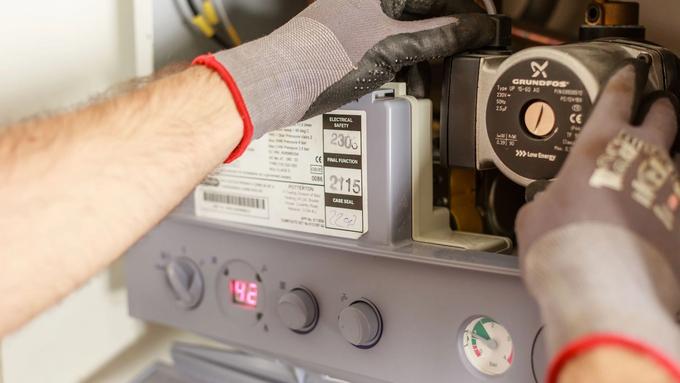
Housecall Pro AI phone answering: what it costs, what it covers, and what to do if you're a one-truck shop
Housecall Pro answers calls two ways, and neither one publishes a price. What each covers, what it costs on top of your plan, and what a one-truck shop should do.
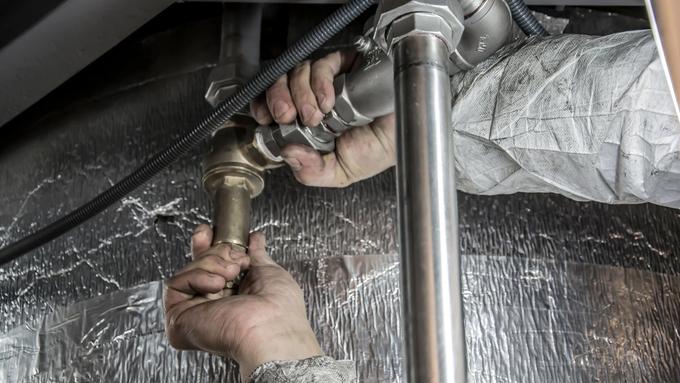
How to Automate Your Business Operations End to End (When You Are the Operations Department)
End to end doesn't mean automating every step. It means no step ends on you. How to find the handoffs that stall your week, and which one to close first.
Small Business Automation Ideas That Work Without a CRM
Most automation lists assume you run a CRM. Here's what a small service business can actually automate, sorted by what a computer can already see.

How to Automate Customer Communication Without Sounding Like a Machine
Automate the messages that are pure logistics, never the ones carrying feeling. The six customer messages worth automating, in the order a job actually happens.
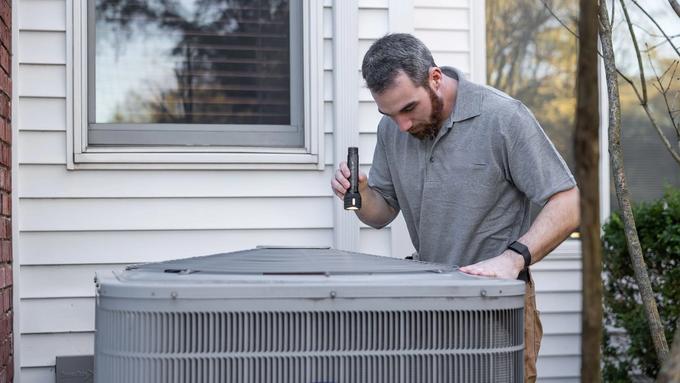
How to Automate Your Home Service Business When You're the One in the Truck
Most home service automation advice is written for a shop with a dispatcher. Here's what's worth automating when you're the one holding the wrench.

The Best AI Tools to Run a Small Business (and How Few You Actually Need)
Most lists name 8 to 25 AI tools. Bank data says 72% of small businesses buying AI buy exactly one, at about $28 a month. What to buy, and what to skip.

The Best Way to Automate Repetitive Business Tasks Is to Stop Treating Them All the Same
Every guide scores your tasks by how often they repeat. That tells you which task to fix and nothing about what to fix it with. Here's how to pick the mechanism.